Best Table Saws of 2026: Top Picks for Every Budget
Quick answer
Choose a table saw by matching the saw type to the work: jobsite saws for portability, contractor or hybrid saws for small shops, and cabinet saws for power, mass, and accuracy. Safety features, fence quality, dust collection, and electrical supply matter as much as horsepower.
Common questions
- What table saw feature matters most for accuracy?
- A stable, square, repeatable fence is usually the biggest day-to-day accuracy factor. Blade quality, alignment, and a flat table also matter.
- Should beginners buy a jobsite or cabinet saw?
- Most beginners start with a good jobsite or hybrid saw unless they have shop space, budget, and power for a cabinet saw. Safe setup and technique matter more than saw size.
Source note: Reviewed July 2026 against the article guidance and common carpentry practice; plans, local code, material specs, and tool manufacturer instructions control final work.
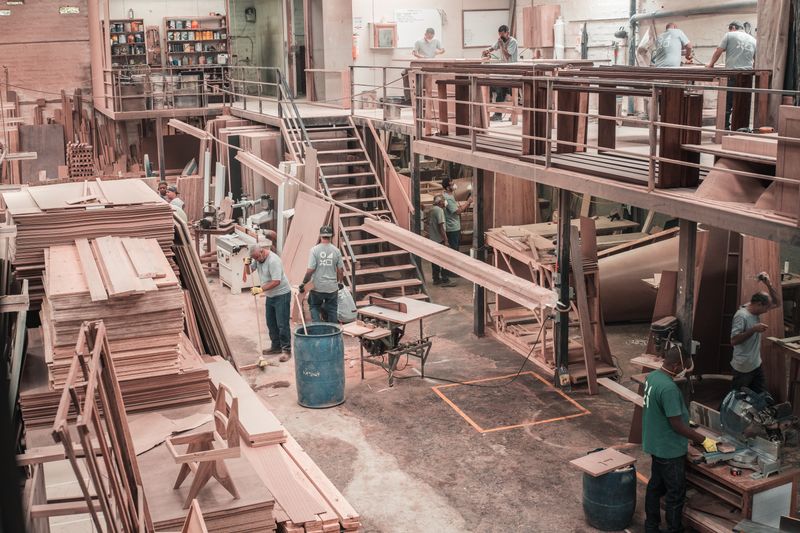
If you could only own one power tool in your woodworking shop, it should be a table saw. No other tool rips boards to width, cuts sheet goods to size, breaks down rough lumber, and produces precise repeated cuts as efficiently. The table saw is the machine everything else in the shop supports — your workbench brings stock to it, your jointer flattens it, and your miter saw handles crosscuts, but the table saw does the heavy lifting that defines most projects.
Choosing the right table saw matters. The different categories vary enormously in portability, power, accuracy, and price. A $250 jobsite saw and a $3,500 cabinet saw both cut wood, but they’re almost different tools in use. This guide covers the four main categories, the features that separate a great table saw from a frustrating one, and the best options available in 2026 at every budget level.
Types of Table Saws
Jobsite Saws
Jobsite table saws are compact, lightweight, and designed to be carried to a job site, loaded into a truck bed, and set up on a folding stand. They run on standard 15-amp 120V circuits — no dedicated outlets required. For contractors, DIYers with limited space, and woodworkers who need to work in different locations, jobsite saws are the obvious choice.
The tradeoff is power and accuracy. A 15-amp jobsite saw will bog down on thick hardwood rips and may struggle with dense 4/4 stock pushed through quickly. The fences on budget jobsite saws are frequently the weak point — a fence that drifts from parallel wastes material and creates dangerous binding conditions at the blade.
The best jobsite saws close the gap considerably. Models from DeWalt and Bosch include rack-and-pinion fences that lock accurately and large work surfaces with extension wings that approach contractor saw capacity.
Contractor Saws
The contractor saw sits between a jobsite saw and a cabinet saw. It uses an open-base design with a motor mounted beneath the table — louder and less efficient for dust collection than a cabinet saw, but significantly more powerful and accurate than a jobsite saw. Contractor saws typically run on a 15-amp 120V motor but are heavier and better-built than jobsite models.
This category is less popular than it was before premium jobsite saws improved so dramatically. However, a good contractor saw paired with an aftermarket fence upgrade remains a very capable shop tool for the price.
Hybrid Saws
Hybrid saws combine elements of contractor and cabinet saws — a closed base (better for dust collection), a heavier cast iron table (better for accuracy), and a motor that often requires only 120V. They’re significantly heavier than jobsite or contractor saws, which makes them true shop saws rather than portable tools, but they don’t require the 240V wiring of a full cabinet saw.
For serious home woodworkers who want cabinet-saw accuracy without the electrical upgrade, hybrid saws represent the best value at the upper end of the home workshop budget.
Cabinet Saws
Cabinet saws are professional machines: heavy cast iron tables bolted to a fully enclosed base cabinet, powerful 3HP or 5HP motors requiring 240V dedicated circuits, precision trunnion assemblies that hold the arbor rock-steady, and fences that stay dead parallel for years of production use.
A quality cabinet saw is a lifetime investment. The cost of entry is high — $2,500 to $4,000 and up — but a SawStop Professional or Powermatic PM1000 in a production shop or serious home shop will outlast most of the people who use it.
Key Features to Evaluate
Fence Quality: This is the most important feature on any table saw. A fence that drifts from parallel to the blade causes dangerous kickback and ruined cuts. Test any fence by locking it at multiple widths and checking parallel with the blade. Rack-and-pinion fences (Bosch’s Gravity Rise system, Biesemeyer-style fences) stay parallel reliably. Tube fences on budget saws often drift. If you’re buying a saw with a poor fence, budget for an aftermarket Biesemeyer or Vega replacement.
Motor Power and Capacity: A 10-inch blade is standard. The arbor motor determines whether you can rip hardwood quickly or have to feed slowly to avoid stalling. Under 2HP (15A on 120V), the saw will bog on thick, dense hardwoods — fine for sheet goods and softwoods. 3HP and above handles anything you’re likely to cut in a home shop without hesitation.
Throat Plate and Riving Knife: A riving knife rises and falls with the blade, keeping the kerf open behind the cut to prevent binding and kickback. All modern saws include them; older contractor saws may not. A well-fitted zero-clearance throat plate dramatically reduces chip-out on the underside of cuts — worth adding on any saw.
Bevel Capacity: Most table saws bevel the blade to 45° for miter cuts on trim and casing. Saws with over-arm or left-tilt bevel keep the fence on the same side of the blade for bevel cuts, which is safer and more practical. Right-tilt saws require moving the fence to the opposite side for most bevels — workable but less convenient.
Table Size and Extension Wings: A larger table surface supports workpieces better and reduces the risk of a board tipping during a cut. Extension wings — cast iron, stamped steel, or router-table inserts — expand the work surface. For ripping full 4×8 sheets solo, outfeed support (a roller stand or outfeed table) is nearly mandatory regardless of table size.
Dust Collection: Cabinet saws with enclosed bases are excellent for dust collection — a single 4-inch port captures the majority of sawdust before it spreads. Open-base contractor and jobsite saws let dust escape from below and require shop-vac connections to the blade guard and below-saw port. Good dust collection extends blade life, keeps the shop safer, and protects your lungs.
Safety — SawStop Technology: SawStop makes table saws that detect contact between flesh and the spinning blade and stop the blade within 5 milliseconds. The blade drops into a cartridge, stopping before a cut deeper than 1/8 inch can occur. The cartridge must be replaced after activation (~$80), but it has prevented thousands of amputations. If safety is a priority — especially in a shop where children or students may be present — SawStop justifies its price premium unambiguously.
Top Table Saw Recommendations
Best Jobsite Saw: DeWalt DWE7491RS 10-Inch Jobsite Table Saw (~$600–$700)
The DeWalt DWE7491RS is the standard against which all other jobsite table saws are measured. The rolling stand collapses and locks in under 10 seconds, the telescoping fence rails are sturdy, and the rack-and-pinion fence locks parallel repeatably — something many saws twice the price can’t claim.
The 15-amp motor handles ripping 3/4-inch hardwood at a reasonable feed rate. Sheet goods and softwood cut without complaint. On heavy 8/4 oak or similar dense stock you’ll need to slow down, but for the majority of home woodworking tasks — building furniture from dimensional lumber and sheet goods — this saw performs well beyond its price.
The rolling stand is one of the DWE7491RS’s strongest features. The wide-stance legs are stable on uneven ground, and the whole unit folds down to a manageable footprint for storage. The blade bevel range covers 0–47°.
One upgrade worth making: the stock blade is adequate but not exceptional. Replacing it with a Freud or Diablo 40-tooth general-purpose blade immediately improves cut quality.
Search the DeWalt DWE7491RS
Best Compact Jobsite Saw: DeWalt DWE7485 8-1/4-Inch Compact Table Saw (~$350–$400)
The DeWalt DWE7485 uses an 8-1/4-inch blade rather than the standard 10-inch, which reduces weight significantly and makes the saw genuinely portable — around 48 pounds compared to 90+ pounds for a 10-inch jobsite saw. The tradeoff is slightly reduced ripping depth (2-1/2 inches at 90°) and fewer available blades in the 8-1/4-inch size.
For trim carpenters, DIYers working in tight spaces, and homeowners who need a table saw for occasional use, the DWE7485 hits a price point that’s hard to argue with. The rack-and-pinion fence is the same reliable design as the full-size model. For building cabinets from 3/4-inch plywood, cutting boards to length, and general furniture construction, this saw is capable.
It’s not the right tool for ripping heavy hardwood — power and blade depth both limit what you can do with dense stock. But for the majority of tasks in a home woodworking shop, it’s a capable, affordable entry point.
Search the DeWalt DWE7485
Best Mid-Range: Bosch 4100XC-10 10-Inch Worksite Table Saw (~$600–$700)
The Bosch 4100XC-10 competes directly with the DeWalt DWE7491RS but wins on one key dimension: the Gravity-Rise Wheeled Stand. This stand uses a spring-loaded mechanism that unfolds when you tip the saw forward and collapses when you lift from the other side — no manual deployment steps, no locking pins to fumble with. If you move your table saw frequently, the Gravity-Rise stand is genuinely impressive.
The Bosch runs a 15-amp motor with 4,000 RPM, identical to the DeWalt in output terms. The fence system is a dual-rail design that locks positively and stays parallel. The table surface is slightly smaller than the DeWalt’s, but the overall package is excellent.
The 4100XC-10 is left-tilt, which keeps the fence on the same side of the blade during bevel cuts — a practical advantage for most trim and furniture work. For woodworkers who frequently move their saw between a shop and a job site, the Gravity-Rise stand tips the decision toward Bosch.
Search the Bosch 4100XC-10
Best Hybrid Saw: Powermatic PM1000 Hybrid Table Saw (~$1,700–$2,000)
The Powermatic PM1000 is the hybrid saw that serious home woodworkers aspire to. It runs a 1.75HP motor on 120V or a 3HP option on 240V, mounts to a fully enclosed cabinet base for excellent dust collection, and uses a precision-ground cast iron table that maintains flatness far beyond what any jobsite saw can claim.
The AccuFence system on the PM1000 is excellent — it locks positively, measures accurately off the built-in scale, and doesn’t drift. The heavy cast iron table and trunnion assembly reduce vibration to the point where the saw is noticeably quieter and smoother in use than contractor or jobsite alternatives.
This is the right saw for a dedicated home shop where the saw won’t move, 240V wiring is available or can be added, and the user is building furniture and cabinets regularly. The PM1000 produces cabinet-quality results without the cabinet-saw price. It’s an investment but one that lasts decades.
Search the Powermatic PM1000
Best Safety-Focused: SawStop Contractor Saw (~$1,500–$1,800)
The SawStop Contractor Saw brings SawStop’s flesh-detection technology to a price point within reach of serious home woodworkers. The 1.75HP motor runs on 120V (or 240V), and the machine is accurate enough to produce furniture-quality work. But the defining feature is the Active Injury Mitigation system: if the blade detects the electrical signature of human flesh, it stops within 5 milliseconds.
For shops where beginners are learning, children may be present, or where peace of mind is worth a premium, SawStop Contractor saw is the clear choice. Professional instructors, schools, and woodworkers who work alone without immediate medical access to buy down the consequences of an accident choose SawStop for exactly this reason.
The cartridge replacement cost (~$80 per activation) is real but trivial compared to the cost of a serious injury. Normal wood, wet wood, and green lumber may trigger the cartridge; always use dry wood and standard blade guards.
Search the SawStop Contractor Saw
Best Cabinet Saw: SawStop Professional Table Saw (~$3,000–$4,000)
The SawStop Professional Table Saw is the combination of the best safety system available and a genuine cabinet-saw platform: 3HP or 5HP motor, enclosed base with optimized dust collection, precision-ground cast iron wings, and a T-Glide fence system that is one of the best production fences on the market.
This is the saw you buy once and never think about replacing. For professional woodworkers, production shops, and home woodworkers who have reached the limit of what a contractor or hybrid saw can do, the SawStop Professional represents the top of the practical hierarchy for most shops.
At $3,000–$4,000 it’s a significant investment, but spread over a decade or more of use it costs less per year than many people spend on sandpaper. For anyone who can justify the price, it’s the best all-around table saw available.
Search the SawStop Professional Table Saw
Which Table Saw Is Right for You?
Use this as a quick decision guide:
- Occasional DIY use, limited space, or budget under $400: DeWalt DWE7485 compact jobsite saw
- Regular woodworking, need to move the saw, budget under $700: DeWalt DWE7491RS or Bosch 4100XC-10
- Dedicated home shop, 120V only, budget $1,500–$2,000: Powermatic PM1000 or SawStop Contractor Saw
- Safety-critical environment or peace of mind a priority: Any SawStop model
- Full-time professional use or serious home production shop: SawStop Professional or equivalent cabinet saw
Table Saw Setup Tips
Align the blade to the miter slot first. Before you calibrate the fence, confirm the blade is parallel to the miter slots using a reliable machinist’s square or a dedicated alignment tool. A blade out of alignment causes burning, binding, and dangerous kickback regardless of how well the fence is set.
Set the blade height just above the workpiece. Some woodworkers raise the blade to full height for every cut; others set it just 1/8 inch above the stock. Setting it just above produces cleaner cuts (the blade angle at the cut point is more vertical) and is somewhat safer for the workpiece. Exposing more blade produces faster cutting. Set it based on the task.
Use push sticks and featherboards. A push stick keeps your fingers away from the blade on narrow rips. A featherboard clamped to the fence or table keeps stock pressed against the fence consistently, preventing material from drifting away from the fence mid-cut. Both are simple safety additions that dramatically reduce kickback risk.
Check the fence with a dial indicator. Even the best fences can drift over time. Periodically verify that the fence is truly parallel to the blade using a dial indicator or a precision square. Half a degree of drift becomes a gap across a wide cut.
Add a zero-clearance insert. The stock throat plate on most table saws has a wide opening around the blade that allows thin strips and small pieces to fall through or pinch. A zero-clearance insert — a replacement plate with a kerf cut exactly to blade thickness — supports workpieces fully and dramatically reduces tear-out on the underside of cuts. Make one from 1/2-inch plywood or MDF and keep several on hand for different blade widths.
Safety
Table saws are responsible for more workshop injuries than any other tool. The most common cause is kickback — a workpiece caught by the rear of the spinning blade and thrown back at the operator with tremendous force. Understanding kickback and preventing it is the most important safety knowledge for any table saw user.
For a complete guide to safe table saw operation, covering blade guards, riving knives, push sticks, and proper body position, see the table saw safety guide.
Related Articles
For tool comparisons that help you build out a complete shop, the track saw vs circular saw guide covers when a track saw is a better choice than a table saw for breaking down sheet goods. The miter saw buying guide covers the crosscutting tool that pairs with a table saw in any complete shop setup. And if you’re setting up your shop from scratch, the beginner woodworking projects guide covers what you can build with basic tools before committing to a full shop upgrade.

The Carpenter's Guide Editorial Team
Independent trade-focused editorial team