Dust Collection for Your Workshop: Setup Guide
Quick answer
Workshop dust collection should capture chips at the tool and control fine airborne dust with filtration, airflow, good hose runs, and cleanup habits. A shop vacuum and a dust collector solve different parts of the problem.
Common questions
- Is a shop vacuum enough for woodworking dust?
- A shop vacuum works for small tools and cleanup, but larger chip-producing machines often need higher airflow. Fine-dust filtration or an air cleaner may also be needed.
- What improves dust collection most?
- Short smooth duct runs, sealed connections, blast gates, clean filters, correct hose size, and collecting at the source usually improve performance more than buying a larger machine alone.
Source note: Reviewed July 2026 against the article guidance and common carpentry practice; plans, local code, material specs, and tool manufacturer instructions control final work.
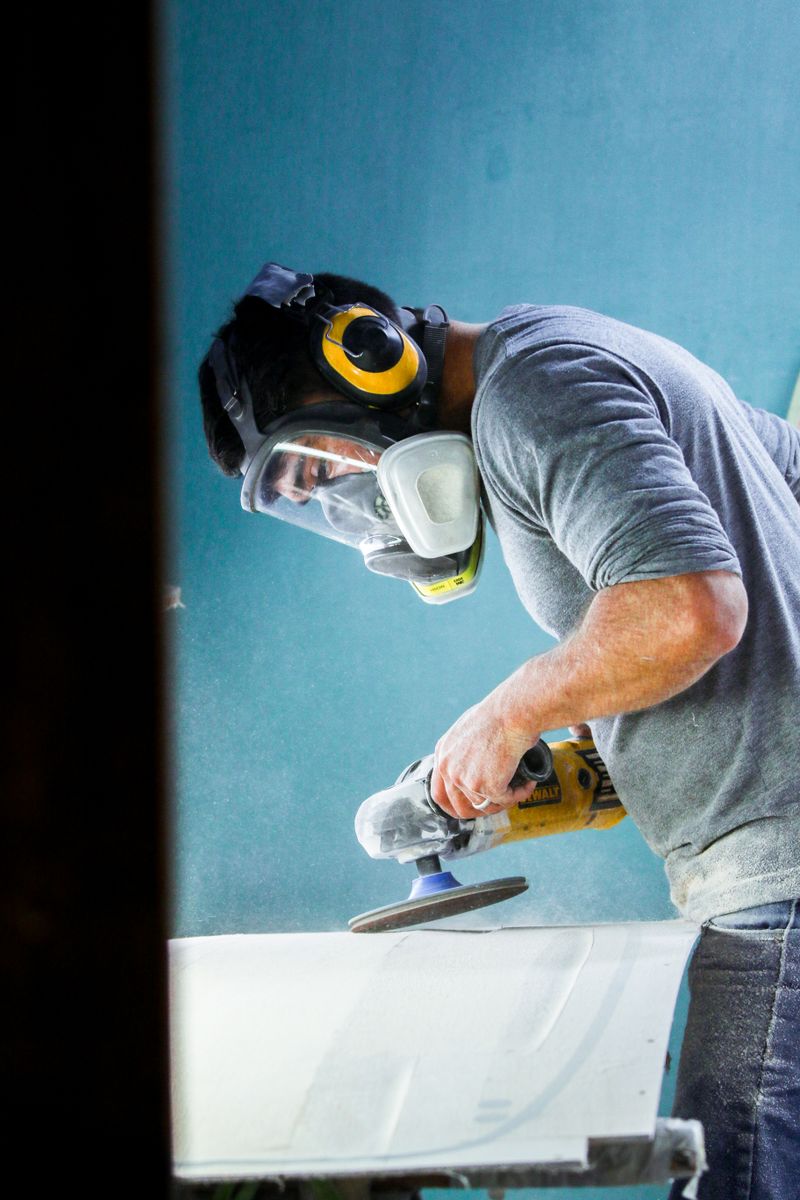
Wood dust is more than a nuisance — it is a serious health hazard. Long-term exposure to fine wood dust has been linked to nasal cancer, respiratory diseases, and allergic reactions. Beyond health concerns, dust accumulates on tools, workpieces, and surfaces, degrading cut quality and creating fire risks. An effective dust collection system is not optional — it is essential for any serious woodworking shop.
Health Risks of Wood Dust
Wood dust particles smaller than 10 microns (PM10) are inhalable and can penetrate deep into the lungs. Particles smaller than 2.5 microns (PM2.5) are even more dangerous, entering the bloodstream through lung tissue. Many common hardwoods, including oak, walnut, and mahogany, are classified as known or suspected carcinogens.
The Occupational Safety and Health Administration (OSHA) sets the permissible exposure limit for wood dust at 5 mg/m3 for an 8-hour shift. Many woodworking operations exceed this limit by a factor of 10 or more without proper dust collection.
Always wear a properly fitted respirator (N95 minimum, P100 preferred) in addition to ambient dust collection. Dust collection removes dust at the source, while a respirator protects you from what escapes.
Dust Collector vs Shop Vacuum
Shop vacuums are designed for small volumes of debris with high suction at a small opening. They work well for handheld power tools, random orbital sanders, and spot cleanup. Shop vacuums typically move 100 to 200 CFM (cubic feet per minute) of air.
Dust collectors are designed to move large volumes of air at lower suction. They handle the massive dust output of table saws, planers, and jointers. A single-stage dust collector moves 500 to 2,000 CFM and is the foundation of any serious dust collection system.
For a complete shop, you need both — a dust collector for stationary machines and a shop vacuum for portable tools and cleanup.
Designing Your System
Sizing the Dust Collector
Calculate the total CFM requirements of your machines. A table saw needs approximately 350 to 400 CFM, a planer 400 to 500 CFM, and a jointer 300 to 400 CFM. Size your dust collector for the largest single machine plus one additional tool (if you run two simultaneously).
For most small to medium home shops, a 1.5 to 2 HP dust collector (600 to 1,200 CFM) is sufficient. Larger shops with multiple large machines may need a 3 to 5 HP system.
Ductwork Design
Use smooth-wall PVC pipe or metal ductwork — never flexible hose for permanent runs (the corrugations reduce airflow dramatically). Main trunk lines should be 4 to 6 inches in diameter, with branch lines tapering to 4 inches at each machine.
Plan your ductwork layout to minimize bends and horizontal runs. Each 90-degree bend reduces airflow by 10 to 20 percent. Keep horizontal runs as short as possible, and slope them slightly downward toward the collector so dust does not accumulate.
Install blast gates at each machine so you can close off unused branches and direct full airflow to the machine in use. This is critical for maintaining adequate suction throughout the system.
Filtration
The dust collector must filter fine particles, not just large chips. Standard dust collector bags capture particles down to 30 microns — which means the most dangerous fine dust passes right through. Upgrade to a canister filter rated at 1 to 5 microns, or add a cyclone separator that removes large chips before they reach the filter.
A two-stage system — cyclone separator followed by a fine filter — provides the best combination of capacity and filtration. The cyclone removes 95 to 99 percent of debris, extending filter life and maintaining airflow.
Portable Dust Collection Solutions
For tools that are not connected to a permanent dust collection system, portable solutions fill the gap:
- Dust deputy or cyclone attachment on a shop vacuum separates chips from fine dust
- Overarm blade guard on the table saw captures dust above the blade
- Downdraft table captures sanding dust from small parts
- Ambient air cleaner mounted on the ceiling filters fine dust from the air
An ambient air cleaner is an excellent addition to any shop. It runs continuously during and after woodworking sessions, filtering the air through a HEPA-grade filter. This captures the fine dust that escapes machine collection.
Best Practices
Turn on the dust collector before starting the machine and let it run for 30 seconds after shutting down to clear the ducts. Empty dust bins and clean filters regularly — a full bin reduces airflow dramatically. Seal all duct joints with foil tape (not duct tape, which degrades). Sweep or vacuum the floor regularly rather than blowing dust around with compressed air.
Your lungs are the most important tool in your shop. Invest in dust collection before investing in another cutting tool — your health depends on it.
Sizing and Setup Checklist
Match the collector to the tool, not just the advertised horsepower. A planer or jointer produces heavy chips and benefits from a 4-inch hose connected to a collector with enough airflow. A sander produces fine dust and may work better with a high-static-pressure shop vacuum. Table saws often need both under-table collection and an overarm guard to capture dust thrown above the blade.
Keep hose runs short and smooth. Every sharp elbow, corrugated hose section, and undersized reducer lowers airflow. If a permanent duct system is not practical, use a mobile collector and move it close to the tool in use. Blast gates help, but they only work if you close unused branches.
Maintenance and Air Quality
Empty bags, drums, and separators before they are packed full. A dust collector loses performance quickly when the filter is clogged or the chip bag is overfilled. Clean pleated filters outdoors or according to the manufacturer’s instructions, and replace damaged bags that leak fine dust back into the shop.
Dust collection does not replace a respirator for sanding, routing, or working with irritating species. Wear a properly fitted mask when fine dust is visible, and consider an ambient air cleaner to capture particles that remain suspended after the machine stops. Good collection is a system: source capture, filtration, housekeeping, and personal protection all matter.
Related Articles
Good dust management goes hand in hand with proper lighting. The workshop lighting guide explains how to set up your shop for safety and visibility. If you are planning or upgrading your workspace, understanding table saw safety covers the hazards and protective practices for the machine that produces the most dust. And once your shop environment is healthy, you will want a solid place to work — the workbench building guide helps you create the ideal foundation.

The Carpenter's Guide Editorial Team
Independent trade-focused editorial team