Workshop Lighting Guide: Bright Ideas for Your Woodshop
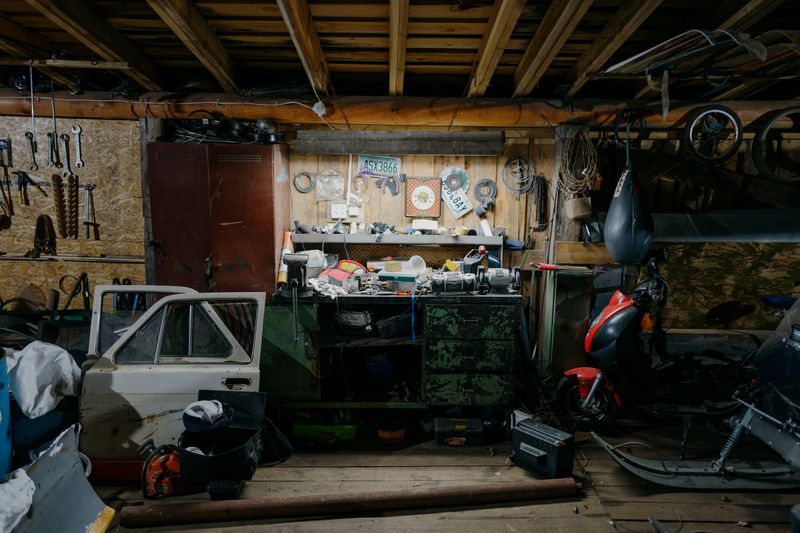
Good lighting is one of the most overlooked aspects of workshop design. Poor lighting causes eye strain, hides defects in your work, makes it difficult to read measuring tools, and increases the risk of accidents. Proper workshop lighting reduces fatigue, reveals the true color and texture of wood, and makes precision work possible. This guide covers everything you need to know about lighting your woodshop effectively.
Why Workshop Lighting Matters
Woodworking demands visual precision. Reading a tape measure, checking a joint for gaps, evaluating a surface finish, and setting a blade height all require clear, accurate vision. Inadequate lighting forces your eyes to work harder, leading to fatigue, headaches, and errors.
Color rendering is particularly important. Wood species have subtle color differences that affect your finishing decisions. Under poor lighting, walnut can look muddy, cherry can appear dull, and maple can seem yellow. Good lighting reveals the true colors and grain patterns of your material.
Safety is another critical factor. Shadows hide hazards, make it difficult to see blade positions, and obscure the boundary between your workpiece and the spinning cutter. Good lighting eliminates dangerous shadows and keeps your workspace visible from every angle.
Understanding Light Measurements
Lumens measure the total light output of a fixture. A typical workshop needs 50 to 100 lumens per square foot for general lighting, with 100 to 200 lumens per square foot at workstations where precision tasks are performed.
Lux (lumens per square meter) is another common measurement. For general workshop lighting, aim for 300 to 500 lux. For detail work areas, target 750 to 1,000 lux.
Color Temperature is measured in Kelvin (K). Lower numbers (2700K-3000K) produce warm, yellowish light similar to incandescent bulbs. Higher numbers (4000K-5000K) produce cool, white light that is closer to natural daylight. For woodworking, 5000K is ideal — it renders wood colors accurately and provides the crisp, clear illumination needed for precision work.
Color Rendering Index (CRI) measures how accurately a light source reveals colors compared to natural sunlight. A CRI of 90 or above is recommended for woodworking. Lower CRI values distort colors, making it difficult to evaluate stain colors, wood species, and finish quality.
Types of Workshop Lighting
LED Shop Lights
LED shop lights are the standard for modern workshops. They are energy-efficient, produce minimal heat, turn on instantly, and last 50,000 hours or more. Look for 4-foot LED fixtures with 5,000K color temperature and CRI 90+.
Linkable LED shop lights are easy to install and connect together in chains. Mount them to the ceiling with chains or direct to joists. Each 4-foot fixture produces approximately 4,000 to 5,000 lumens.
Task Lighting
Supplement overhead lighting with dedicated task lights at each workstation. Adjustable LED work lights with magnetic bases mount directly to metal machine surfaces. Under-cabinet LED strips illuminate the area behind a table saw or miter saw.
A bench-mounted task light with an adjustable arm directs light exactly where you need it for hand tool work, reading plans, and inspecting joints.
Natural Light
If your workshop has windows, maximize natural light. Natural daylight provides excellent color rendering and reduces your reliance on artificial lighting during daytime hours. Skylights and solar tubes add natural light to windowless shops.
However, natural light changes throughout the day and is affected by weather and seasons. Do not rely on it as your primary light source — use it as a supplement to your installed lighting system.
Lighting Layout Strategy
Overhead Lighting
Space overhead fixtures evenly across the ceiling to eliminate dark spots. For a typical two-car garage workshop (20x24 feet), six to eight 4-foot LED fixtures provide excellent coverage. Mount fixtures at 8 to 10 feet above the floor.
Aim for uniform illumination across the entire shop floor. Shadows between fixtures create dark zones where accidents are more likely. Overlap the light cones from adjacent fixtures to ensure even coverage.
Machine-Specific Lighting
Add dedicated lighting at each major machine:
- Table saw: Mount a light above and behind the blade to illuminate the cut line
- Miter saw: Install a light above the saw that shines directly on the cutting area
- Band saw: Position a light to the left of the blade, illuminating the cutting path
- Workbench: Mount two lights above the bench — one on each side — to eliminate shadows from your hands and body
Ambient and Accent Lighting
Consider adding ambient lighting for general navigation and safety. Low-level LED strips along the base of workbenches and cabinets mark walkways and reduce trip hazards. Motion-activated lights at the shop entrance provide immediate illumination when you walk in.
Glare Control
Glue drips and glossy finishes create reflections that obscure defects and cause eye strain. Position lights at angles that minimize direct reflections into your eyes. Diffused fixtures (those with frosted lenses) reduce glare compared to bare-bulb LED panels.
When inspecting a surface for smoothness, use raking light — a light source positioned at a low angle to the surface. Raking light highlights every imperfection, scratch, and uneven area. A simple LED work light held at 10 to 15 degrees from the surface reveals defects that overhead lighting completely hides.
Energy Efficiency
Modern LED lighting is remarkably energy-efficient. A fully lit 500-square-foot workshop with eight LED fixtures consumes approximately 320 watts — less than three old-school 100-watt incandescent bulbs. The savings on your electric bill and the long lifespan of LED fixtures make upgrading to LED one of the best investments you can make in your shop.
Good lighting is not a luxury — it is a fundamental requirement for safe, accurate, and enjoyable woodworking. Invest in quality lighting early, and every hour you spend in the shop will be more productive and more pleasant.
Quick Lighting Audit
Walk through the shop with the lights on and a pencil in your hand. Stand at the table saw, miter saw, router table, sharpening area, and assembly bench. If your hand casts a shadow directly over the cut line or layout mark, you need either another fixture or a task light from a different angle.
Check color temperature and color rendering before buying a full set of fixtures. Many woodworkers prefer neutral white LEDs around 4000K to 5000K because they show layout lines clearly without making finishes look unnaturally blue. For finishing areas, choose high-CRI bulbs so stain and paint colors look closer to how they will appear outside the shop.
Related Articles
Lighting works best when paired with a complete workshop setup. The dust collection guide addresses the other major environmental hazard in any woodworking shop. If you are setting up a brand new space, consider building a solid workbench as the anchor of your shop layout before adding fixtures overhead. The table saw safety guide also discusses how workplace conditions — including visibility — affect safe machine operation.

The Carpenter's Guide Editorial Team
Independent trade-focused editorial team