Essential Carpentry Hand Tools Every Woodworker Needs
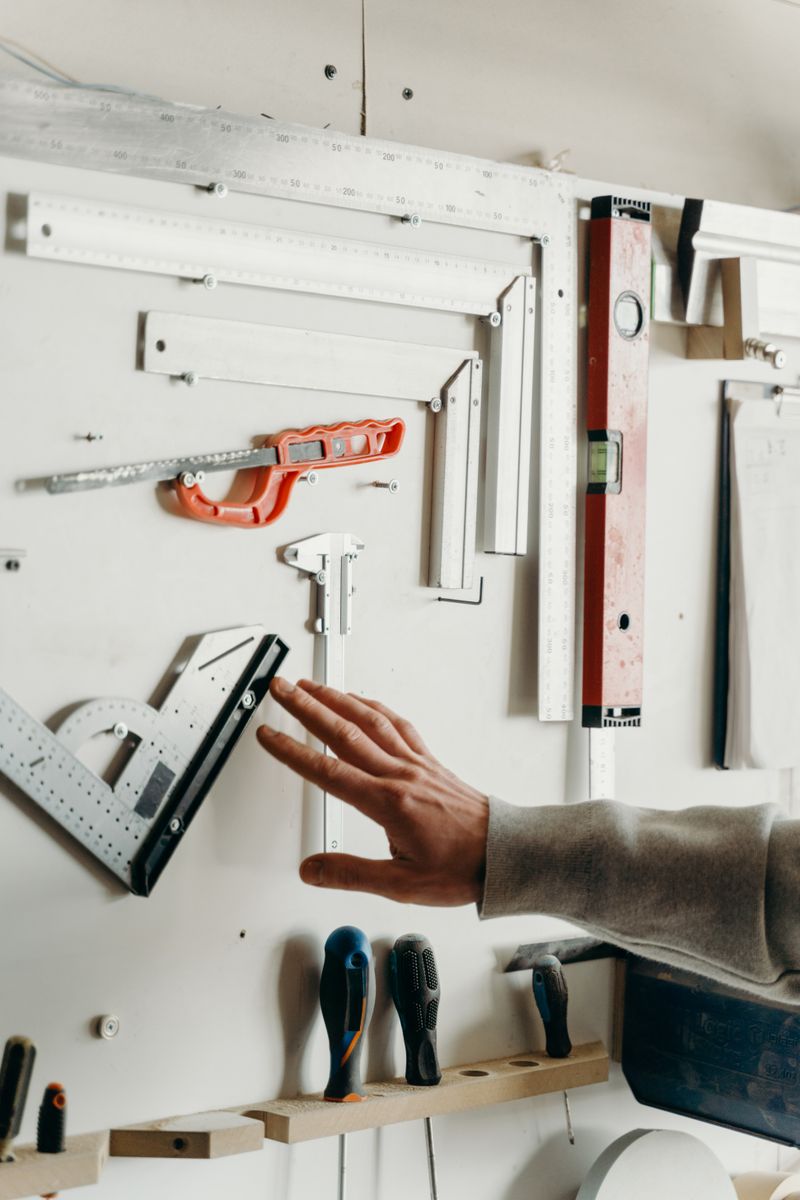
Whether you’re setting up your first workshop or looking to round out your collection, having the right hand tools is the foundation of quality woodworking. Power tools get a lot of attention, but hand tools offer precision, control, and a connection to the craft that machines simply cannot replicate. Here is a comprehensive guide to the essential hand tools every woodworker needs.
Measuring and Marking Tools
Accuracy begins before you make a single cut. Invest in quality measuring and marking tools and your projects will fit together properly from the start.
A 12-inch combination square is arguably the most-used tool in any shop. Use it to check 90-degree and 45-degree angles, measure depths of mortises, and mark lines parallel to an edge. Look for one with a solid brass body and a hardened steel blade. The Starrett 12-Inch Combination Square is the gold standard, though there are more affordable options that work well for beginners.
A tape measure (16-foot or 25-foot) and a 6-inch steel rule cover most measuring needs. The steel rule is indispensable for setting blade heights, measuring small stock, and marking precise joinery layouts.
For marking, a marking knife creates a crisp, accurate line that a pencil cannot match. A marking knife severs wood fibers, creating a clean groove that actually helps guide your chisel or saw. Pair it with a mechanical pencil (0.5mm) for general layout work.
A sliding bevel gauge lets you transfer and mark angles that are not 90 degrees. This is essential for dovetails, angled tenons, and scribed fits against walls.
Cutting Tools
Chisels are the workhorse of the hand tool shop. A set of four bench chisels — 1/4-inch, 1/2-inch, 3/4-inch, and 1-inch — will handle the vast majority of your chopping, paring, and mortising tasks. The WoodRiver Bench Plane No. 4 and a quality set of chisels are great starting points. Look for chisels with high-carbon steel blades that hold an edge well.
A block plane is a versatile smoothing and trimming tool. Use it to ease edges, flush up joints, chamfer, and fit parts. A low-angle block plane is especially useful on end grain. A smoothing plane (No. 4) flattens and smooths board surfaces far better than sandpaper alone.
For sawing, start with a dozuki saw (Japanese pull saw) for fine joinery work and a crosscut hand saw for general cutting. Japanese saws cut on the pull stroke, producing thin kerfs and remarkably clean cuts. They are also more affordable than quality Western backsaws.
Clamping Tools
You can never have too many clamps. Start with:
- Two 24-inch bar clamps for panel glue-ups and general assembly
- Four spring clamps for light-duty holding
- Two 6-inch C-clamps for securing jigs and fixtures
- Parallel jaw clamps (if budget allows) for casework and large assemblies
Clamps apply the pressure needed for strong glue joints. Budget clamps from brands like Bessey and Irwin perform admirably for most tasks.
Holding and Shaping Tools
A bench vise mounted to your workbench holds stock securely for sawing, planing, and chiseling. A face vise and a tail vise together give you excellent holding power for boards of any length.
A rasp and a cabinet file shape curved surfaces and refine edges. An oilstone or diamond sharpening stone keeps your chisels and plane blades razor sharp. Sharp tools are safer and produce better results — there is no substitute for a properly honed edge.
Driving and Fastening
A set of quality screwdrivers (both Phillips and flathead in multiple sizes), a hammer (16-ounce claw hammer), and a nail set round out your driving tools. For traditional woodwork, a hand drill (brace) and a set of auger bits allow you to bore holes without electricity.
Building Your Collection
Do not feel pressure to buy everything at once. Start with the measuring and marking tools, add a block plane and a set of chisels, then expand based on the projects you take on. Quality matters more than quantity — a few well-made tools will outperform a garage full of cheap ones. Take care of your tools by keeping them clean, sharp, and properly stored, and they will serve you for decades.
Every master woodworker started with these same fundamental tools. Build your skills alongside your collection, and you will develop a deep appreciation for the craft that power tools alone simply cannot provide.
Buying Order for a New Tool Kit
Start with tools that make every project safer and more accurate: a tape measure, combination square, marking knife or sharp pencil, handsaw, block plane, two chisels, clamps, and a sharpening stone. Those tools let you measure, mark, cut, refine, assemble, and maintain edges. Add specialty tools only after a project demands them.
Buy fewer tools of better quality rather than a large kit full of soft steel and loose handles. A good chisel that holds an edge is more useful than six poor chisels that need sharpening after every cut. The same applies to squares: if your layout tool is inaccurate, every downstream cut will be inaccurate too.
Maintenance Habits
Hand tools last for decades if you keep them clean, sharp, and dry. Wipe metal surfaces after use, especially if you work in a garage or basement where humidity changes quickly. A light coat of paste wax on plane soles, saw plates, and chisels reduces rust and helps tools slide through wood.
Store sharp tools so edges cannot hit each other. A simple wall rack, chisel roll, or drawer insert protects the cutting edges and makes missing tools obvious at the end of a work session. The best tool kit is not the biggest one; it is the one that stays tuned and ready.
Starter Kit Budget Tip
Set aside part of the tool budget for sharpening, layout, and clamps. Beginners often buy cutting tools first, then discover they cannot keep them sharp or hold work securely. A modest saw with a reliable square, sharp chisel, and enough clamps will outperform a premium tool used in a poorly supported setup.
See Also
Once you have your chisels and plane blades, keeping them sharp is essential — the guide to sharpening chisels and plane blades walks through water stones, diamond stones, and the Scary Sharp method. If you are ready to move beyond hand tools, the router basics guide introduces one of the most versatile power tools in the shop. For a deeper dive into hand-tool joinery traditions, the article on Japanese joinery techniques shows what is possible when hand tools are taken to their highest expression.

The Carpenter's Guide Editorial Team
Independent trade-focused editorial team