Finishing Wood: Stains, Sealers, and Topcoats Explained
Quick answer
A good wood finish starts before the can is opened: surface prep, sanding sequence, dust control, test boards, compatible stain or topcoat, and realistic cure time. Test the full schedule on offcuts before finishing the project.
Common questions
- Why should you make a finish sample?
- Wood species, sanding grit, stain, topcoat, and lighting can change the final look. A sample board prevents surprises on the actual project.
- What causes blotchy stain?
- Uneven absorption, sanding inconsistency, and blotch-prone woods can all cause blotching. Conditioner, dye, gel stain, or a different finish schedule may help.
Source note: Reviewed July 2026 against the article guidance and common carpentry practice; plans, local code, material specs, and tool manufacturer instructions control final work.
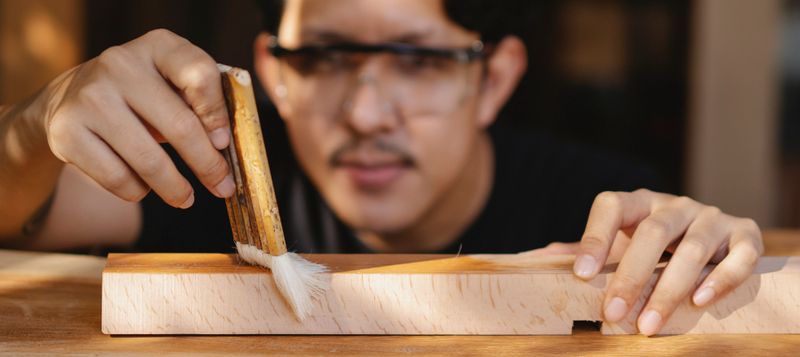
Finishing is where your woodworking project transforms from a collection of cut and joined boards into a polished piece of furniture. A good finish protects the wood from moisture, UV damage, and wear while enhancing the natural beauty of the grain. Yet finishing is often the most intimidating part of woodworking for beginners. The sheer number of products and techniques can feel overwhelming. This guide breaks down the finishing process into clear, manageable steps.
Surface Preparation
The finish is only as good as the surface beneath it. Proper sanding is the foundation of every good finish. Start with 120-grit sandpaper to remove machine marks and tear-out, progress through 150-grit, and finish with 180 or 220-grit. Always sand with the grain to avoid cross-grain scratches that will show through the finish.
Remove all dust before applying any finish. Wipe the surface with a tack cloth or a cloth dampened with mineral spirits. Dust particles trapped in the finish create rough spots that are difficult to fix.
If your project has glue squeeze-out, remove it completely before finishing. Dried glue prevents stain and finish from penetrating, leaving light spots that stand out against the surrounding wood.
Understanding Stains
Stains add color to wood without obscuring the grain. They come in several formulations:
Oil-based stains penetrate deeply, provide rich color, and are easy to apply. They take 8 to 24 hours to dry between coats. Mineral spirits clean up the application brush.
Water-based stains dry quickly (1 to 2 hours), have low odor, and clean up with water. They raise the wood grain, so you must sand lightly after the first coat. Water-based stains are more environmentally friendly and available in a wide range of colors.
Gel stains are thick and do not drip or run, making them ideal for vertical surfaces and woods that blotch easily (like pine and cherry). Gel stains sit on the surface more than penetrating stains, giving you more control over color intensity.
Dye stains (powder or liquid) dissolve in water or alcohol and penetrate deeply, producing vibrant, transparent color. Dyes are popular for matching existing finishes and achieving intense colors that pigment stains cannot produce.
Always test your stain on a scrap piece of the same wood species. Wood varies dramatically in how it accepts stain, and the color on the can rarely matches the result on your project.
Sealers
A sealer (or sanding sealer) prepares the wood for the topcoat by filling pores and creating a smooth, uniform surface. Not all finishes require a separate sealer — many modern topcoats are self-sealing. However, sealing is recommended when:
- You are applying a film finish (polyurethane, lacquer) over stained wood
- The wood is very porous (oak, ash) and you want a smoother topcoat
- You are using a dye stain that needs to be locked in before topcoating
Apply one thin coat of sanding sealer, let it dry, sand with 320-grit sandpaper, then apply your topcoat.
Topcoats
The topcoat provides the actual protection for your wood surface.
Polyurethane is the most popular topcoat for furniture. Oil-based polyurethane is durable, water-resistant, and adds a warm amber tone. Water-based polyurethane dries clear, has low odor, and dries quickly. Apply polyurethane with a natural-bristle brush (oil-based) or synthetic brush (water-based) in thin, even coats. Sand lightly between coats with 320-grit sandpaper. Three coats provide good protection; four to five coats for tabletops.
Wiping polyurethane (thinned poly) is easier to apply with a lint-free cloth and produces a thinner, more natural-looking film. It requires more coats to build the same protection.
Lacquer dries very fast and produces a hard, clear film. It is sprayed rather than brushed and is the standard finish in production furniture shops. Lacquer is not as durable as polyurethane but produces an exceptionally smooth surface.
Shellac is a natural finish made from insect secretions dissolved in alcohol. It dries in minutes, produces a beautiful warm tone, and is food-safe. Shellac is not water-resistant, so it is not suitable for tabletops or outdoor furniture. However, it is an excellent sealer and finish for decorative pieces.
Oil finishes (boiled linseed oil, tung oil, Danish oil) penetrate the wood rather than forming a surface film. They produce a natural, in-the-wood look that is easy to maintain and repair. Oil finishes require regular reapplication and do not provide the same level of protection as film finishes.
Application Tips
Work in a clean, dust-free environment with good ventilation. Apply finishes in thin, even coats rather than thick ones. Thick coats take longer to dry, attract more dust, and are more likely to drip and sag. Allow each coat to dry fully before applying the next. Sand lightly between coats for the smoothest possible surface.
Patience is the most important tool in finishing. Rush the process and you will be sanding it all off and starting over. Take your time and the results will reward you.
Make Sample Boards First
The best finish plan is tested on scrap from the same project. Sand the sample board through the same grit sequence, apply the same stain or dye, and add the same topcoat you plan to use. Label each sample with the product, grit, number of coats, and drying time. A sample that looks perfect after stain can change dramatically after the topcoat adds amber color or sheen.
Samples are especially important for blotchy woods such as pine, cherry, birch, and maple. Test a pre-stain conditioner, gel stain, or dye schedule before committing to the project. For tabletops and high-use furniture, also test water resistance and scratch resistance after the finish cures.
Fixing Common Finish Problems
Dust nibs can usually be removed by sanding lightly between coats with 320- or 400-grit paper. Runs and sags should dry fully before you level them with a sharp scraper or sanding block; wiping them while wet often makes the defect larger. Sticky finishes usually mean the coat was too thick, the temperature was too low, or the previous coat had not cured.
Give finishes time. Dry to the touch is not the same as cured. A tabletop may need several days or weeks before heavy use, depending on the product and shop conditions.
Related Articles
Before you can apply a great finish, you need a smooth surface — the guide to sharpening chisels and plane blades explains how sharp tools reduce tear-out and produce surfaces that need less sanding. If you are deciding what wood to finish, understanding the differences between hardwood and softwood species will help you anticipate how each species accepts stain and topcoat. For projects where wood choice really matters — like a tabletop — the plywood vs. solid wood comparison covers when each material makes more sense.

The Carpenter's Guide Editorial Team
Independent trade-focused editorial team