Wood Types Guide: Hardwood vs Softwood for Your Projects
Quick answer
Wood species should be chosen by hardness, stability, grain, workability, decay resistance, finish behavior, availability, and budget. A species that looks right may still be wrong for moisture, outdoor exposure, or heavy wear.
Common questions
- What is the first wood-species choice?
- Decide whether the project needs indoor furniture performance, outdoor durability, structural strength, or painted utility. That narrows the species before color and grain choices.
- Why does wood movement matter?
- Wood expands and contracts with moisture changes. Species, grain direction, board width, and joinery must allow that movement or the project can crack, cup, or bind.
Source note: Reviewed July 2026 against the article guidance and common carpentry practice; plans, local code, material specs, and tool manufacturer instructions control final work.
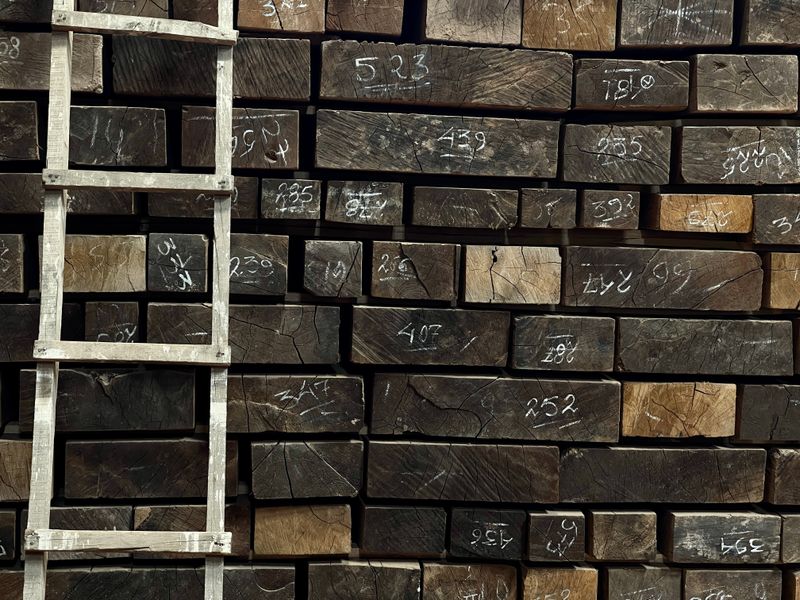
Choosing the right wood is one of the most important decisions in any woodworking project. The species you select affects appearance, workability, durability, and cost. Understanding the fundamental differences between hardwood and softwood — and knowing the characteristics of popular species — will help you make better choices and produce better results.
Hardwood vs Softwood: The Basics
The terms “hardwood” and “softwood” refer to the botanical classification of the tree, not necessarily the density of the wood. Hardwoods come from deciduous trees (trees that lose their leaves annually), while softwoods come from coniferous trees (evergreens with needles and cones).
In general, hardwoods are denser, harder, and more durable than softwoods. They tend to have more interesting grain patterns and take finishes beautifully. However, they are also more expensive and can be harder to work with hand tools. Softwoods are typically lighter, less expensive, and easier to cut and shape, making them popular for construction and beginner projects.
Popular Hardwoods for Woodworking
Oak (Red and White): Oak is strong, durable, and widely available. White oak is more water-resistant and is the traditional choice for outdoor furniture and barrel-making. Red oak has a warmer tone and prominent grain. Both are excellent for tables, cabinets, and flooring. Oak takes stain well but can be difficult to hand-plane because of its interlocked grain.
Maple (Hard and Soft): Hard maple is one of the densest domestic hardwoods, making it ideal for cutting boards, workbench tops, and wear surfaces. Its pale, creamy color and tight grain make it a favorite for modern furniture. Soft maple (despite the name, it is still a hardwood) is easier to work and more affordable.
Walnut: Black walnut is prized for its rich, dark brown color and straight grain. It machines beautifully and takes a stunning natural finish. Walnut is a premium hardwood, often used for fine furniture, gunstocks, and veneers. It darkens with age and exposure to light.
Cherry: American cherry develops a deep, warm reddish-brown patina over time. It is relatively easy to work, takes a glass-smooth finish, and is a traditional choice for period furniture. Cherry is moderately hard and reasonably priced for a premium species.
Poplar: Poplar is an affordable hardwood that is easy to work and takes paint beautifully. While its greenish heartwood is not particularly attractive, it is an excellent choice for painted furniture, drawer boxes, and internal framework. It is often called the “cabinetmaker’s wood” because of its versatility.
Popular Softwoods for Woodworking
Pine (Eastern White, Southern Yellow): Pine is the most accessible and affordable wood for beginners. Eastern white pine is soft, easy to carve, and takes stain and paint well. Southern yellow pine is significantly denser and stronger, making it suitable for structural projects and workbenches.
Cedar (Western Red, Eastern Red/Aromatic): Cedar is naturally resistant to rot and insects. Western red cedar is used for outdoor furniture, decking, and siding. Aromatic cedar lines closets and chests to repel moths. Cedar is soft and easy to work but can be brittle.
Douglas Fir: Douglas fir is one of the strongest softwoods available. It has a distinctive straight grain with occasional reddish streaks. It is commonly used for timber framing, structural beams, and mid-century modern furniture.
Spruce: Spruce is lightweight with a tight, even grain. It is the traditional wood for soundboards in musical instruments because of its excellent resonance. In woodworking, it is used for shelving, framing, and utility projects.
Choosing the Right Wood
Consider these factors when selecting wood for a project:
- Purpose: Will the piece be indoors or outdoors? Will it support weight? Is it decorative or functional?
- Workability: Do you have the tools to work dense hardwoods? Beginners should start with softer species.
- Budget: Hardwoods cost two to five times more than softwoods. Start with affordable species and upgrade as your skills develop.
- Appearance: Consider grain pattern, color, and how the wood will look with your intended finish.
- Availability: Local species are usually more affordable and environmentally responsible than imported exotics.
Understanding wood types helps you match materials to projects. There is no single “best” wood — only the right wood for the job at hand.
Buying Lumber Without Surprises
Hardwood is usually sold by the board foot, not by the linear foot. One board foot equals a piece 1 inch thick, 12 inches wide, and 12 inches long. A rough 4/4 board is sold as roughly one inch thick before milling, while 8/4 stock is roughly two inches thick. Always confirm whether the price is for rough lumber, surfaced two sides, or surfaced four sides. Surfaced boards cost more but save time if you do not own a jointer and planer.
Inspect boards from both faces and both edges before buying. Look for twist, cup, bow, checks at the ends, knots in critical areas, and hidden pith. A slightly bowed board can often be cut into shorter parts, but twist is much harder to remove. Bring a tape measure and a small cut list so you can buy boards that yield the parts you need without excessive waste.
Moisture and Acclimation
Wood moves as humidity changes. For indoor furniture, lumber should be dry enough for the environment where the finished piece will live. If you buy from a home center, let boards acclimate in your shop for several days before final milling. If you buy rough hardwood, stack it with stickers between boards so air can circulate.
Do not mill boards to final thickness the day you bring them home and immediately glue a panel. Rough-cut parts slightly oversized, let them rest overnight, then joint and plane them to final size. That extra pause allows internal stress to show up before assembly, which reduces the chance of a tabletop or cabinet door warping after the project is finished.
Project Matching Tip
When in doubt, choose the most predictable wood you can afford. Straight-grained, stable, locally available lumber is often better for a new project than a dramatic board with knots, reversing grain, or high movement. Save unusual figure for panels and accents after the structure is under control.
2026 decision refresh
Quick decision: choose wood by function before appearance. Strength, movement, moisture exposure, workability, finish behavior, availability, and cost determine whether a species belongs in a project.
| Project need | Better wood choice | Watch for |
|---|---|---|
| Painted cabinets or trim | Poplar, maple, or stable plywood | Blotch, dents, and primer compatibility |
| Outdoor exposure | Cedar, redwood, white oak, or treated lumber | Fastener corrosion and end-grain sealing |
| Workbench or shop fixture | Southern yellow pine, maple, or plywood | Stability and replaceable wear surfaces |
| Fine furniture | Cherry, walnut, maple, oak, or ash | Wood movement and finish testing |
| Beginner project | Pine, poplar, or plywood | Warped boards and soft edges |
Source note: USDA Forest Products Laboratory resources emphasize that moisture content and grain direction drive wood movement and performance. Let lumber acclimate, mill in stages, and design panels so seasonal movement has somewhere to go.
Related tool and guides
- Board-foot and cut-list worksheet - estimate lumber volume before visiting the yard.
- Understanding wood movement - use it before designing panels, doors, and tabletops.
- Finishing wood guide - test how different species accept stain and topcoat.
- Plywood vs solid wood - decide when sheet goods are the more stable option.
Related Articles
Once you have chosen your wood, understanding when to use it in sheet form versus solid boards is the next decision. The plywood vs. solid wood comparison explains when each form is the better choice for different parts of a project. Different species also accept finish in very different ways — the wood finishing guide covers how to test and apply stains and topcoats for the best results on any species. For beginners unsure where to start, the beginner woodworking projects guide recommends inexpensive, forgiving species like pine and poplar for your first builds.
Choose cabinet material with the cut list in mind
These resources connect wood selection to cabinet boxes, solid wood movement, glue choice, and project estimating.
- Cabinet materials and cut-list worksheet
Record material thickness, grain direction, sheet-good needs, hardware, and waste.
- How to build kitchen cabinets
Apply material choices to cabinet box, door, drawer, and installation planning.
- Wood glue guide
Match adhesive choice to wood species, finish schedule, and assembly time.
- Understanding wood movement
Account for seasonal movement before sizing doors, panels, and face frames.

The Carpenter's Guide Editorial Team
Independent trade-focused editorial team