Plywood vs Solid Wood: Which to Use for Your Project
Quick answer
Plywood offers sheet stability, strength across wide panels, and efficient cabinet construction, while solid wood offers natural grain, edge detail, and repairability. The better material depends on movement, appearance, joinery, load, and cost.
Common questions
- When is plywood better than solid wood?
- Plywood is often better for cabinet boxes, shelves, panels, and parts that need width stability. It resists seasonal movement better than a wide solid board.
- When is solid wood better?
- Solid wood is better for visible edges, furniture parts, shaped profiles, legs, rails, and projects where grain continuity or repairability matters.
Source note: Reviewed July 2026 against the article guidance and common carpentry practice; plans, local code, material specs, and tool manufacturer instructions control final work.
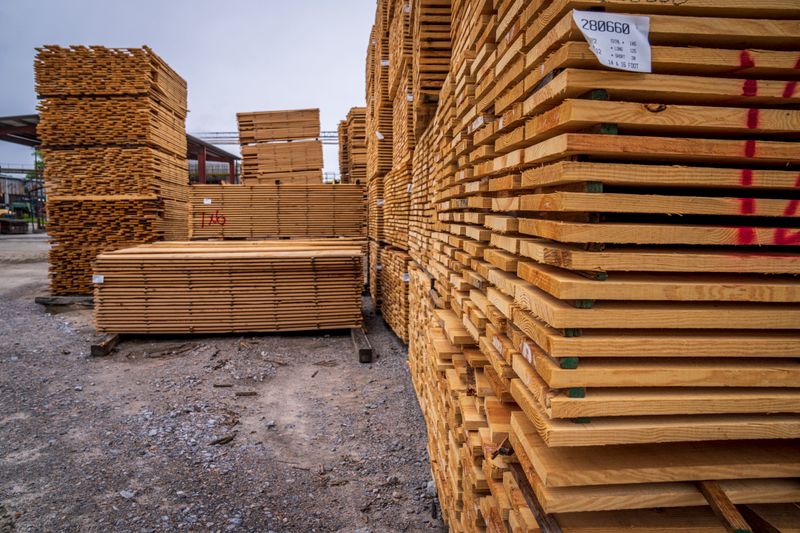
One of the first decisions you will make on any woodworking project is whether to use plywood or solid wood. Both materials have distinct advantages and disadvantages, and the best choice depends on the specific requirements of your project. Understanding the characteristics of each material helps you make informed decisions that result in better, longer-lasting furniture and cabinets.
Quick Answer: Use Each Material Where It Is Strongest
Use plywood for large flat panels, cabinet boxes, shelves, drawer bottoms, built-ins, and painted casework where stability and efficient sheet yield matter. Use solid wood for face frames, doors, trim, legs, table parts, exposed edges, and surfaces that need shaping, repairability, or premium grain.
Most durable projects use both: plywood for stable panels and solid wood for edges, frames, and wear surfaces.
Understanding Plywood
Plywood is an engineered sheet material made by laminating thin layers (plies) of wood veneer together with the grain of each layer running perpendicular to the adjacent layers. This cross-grain construction gives plywood exceptional dimensional stability — it does not expand, contract, warp, or split the way solid wood does.
Plywood comes in various grades based on the quality of the face veneers. A-grade plywood has a smooth, paintable surface with minimal defects. B-grade allows small blemishes and repairs. C-grade has visible knots and defects. For furniture and cabinets, look for A-grade or B-grade faces on at least one side.
Hardwood plywood (oak, maple, birch, cherry plywood) has a hardwood veneer face and is suitable for visible surfaces. Softwood plywood (pine, fir) is used for structural applications, shelving, and utility projects. Baltic birch plywood, with its uniform void-free core and attractive edge grain, is a favorite among furniture makers.
Understanding Solid Wood
Solid wood is exactly what it sounds like — boards sawn from a single tree. It comes in two forms: dimensional lumber (milled to standard sizes like 1x4, 2x6) and hardwood lumber (sold by the board foot in random widths and lengths).
Solid wood offers unmatched beauty. Every board has unique grain patterns, figure, and color. Solid wood can be shaped, carved, and molded in ways that plywood cannot. It can be repaired, refinished, and restored over generations. Fine furniture has been built from solid wood for centuries because nothing else matches its combination of beauty and longevity.
However, solid wood moves. It expands in humid conditions and contracts in dry conditions. A 12-inch-wide board can change width by 1/8 inch or more between seasons. This movement must be accommodated in your design — panels must float in frames, breadboard ends must be pinned, and wide boards must be joined with movement in mind.
Cost Comparison
Plywood is generally less expensive than solid hardwood. A 4x8 sheet of 3/4-inch birch plywood costs roughly equivalent to 8 board feet of solid birch — but the sheet yields significantly more usable material. For large casework projects like kitchen cabinets and bookcases, plywood can reduce material costs by 40 to 60 percent compared to solid wood.
Solid wood becomes more cost-effective for small parts, face frames, doors, and trim where the visual impact justifies the expense. The DeWalt DW735X Portable Thickness Planer helps you mill solid wood to exact dimensions, maximizing yield from rough lumber.
Strength and Stability
Plywood is stronger than solid wood in certain ways. Its cross-grain construction resists splitting and provides uniform strength in all directions. A plywood shelf will not warp or cup like a solid wood shelf of the same thickness. Plywood panels resist racking (diagonal distortion) better than solid wood boards.
Solid wood is stronger along the grain. A solid wood rail or stile resists bending forces better than an equivalent piece of plywood. Solid wood holds screws and fasteners more securely, especially at edges and ends where plywood may delaminate.
When to Use Plywood
Use plywood for casework — cabinets, bookcases, entertainment centers, and any large box structure. The stability and cost-effectiveness of plywood make it the obvious choice for these applications.
Use plywood for shelving, drawer bottoms, cabinet backs, and other large flat surfaces. Plywood will not warp or bow under load.
Use plywood for jigs and shop fixtures where dimensional accuracy and flatness matter more than appearance.
When to Use Solid Wood
Use solid wood for visible surfaces where beauty matters — tabletops, door panels, face frames, and trim. The natural grain and warmth of solid wood cannot be replicated by veneer.
Use solid wood for structural components like table legs, chair parts, and frame members where the strength of continuous grain is needed.
Use solid wood for pieces that will be shaped, carved, or molded. Plywood edges cannot be profiled, and the layered core is visible and unattractive when shaped.
The Hybrid Approach
Most professional furniture and cabinet makers use a hybrid approach: plywood for panels, shelves, and case sides, with solid wood for face frames, doors, edges, and legs. This combines the stability and economy of plywood with the beauty and durability of solid wood. Edge banding with solid wood strips hides plywood edges and creates the appearance of solid construction.
Practical Decision Examples
Use plywood for cabinet boxes, shop storage, closet systems, drawer bottoms, and painted built-ins. The sheet stays flat, covers large areas efficiently, and makes it easier to keep square assemblies square. If the edges will show, apply solid wood edge banding or iron-on veneer tape before finishing.
Use solid wood for table aprons, chair parts, cutting boards, exposed shelf fronts, face frames, and any part that needs shaped edges. Solid wood is also easier to repair after dents and scratches because the same material runs through the full thickness. For a hybrid approach, build the main case from plywood and add solid wood doors, edging, trim, and legs.
Movement and Fastening
The most important difference is movement. Plywood is dimensionally stable; solid wood expands and contracts across the grain. Do not glue a wide solid wood top tightly to a plywood base. Use figure-eight fasteners, tabletop clips, or slotted screw holes so the solid wood can move seasonally without splitting.
When screwing into plywood edges, pre-drill carefully and avoid over-tightening. Plywood edge plies can split if a screw acts like a wedge. For high-stress joints, add a solid wood cleat or use confirmat screws designed for sheet goods.
Finish Expectations
Remember that plywood veneer is thin. Sand lightly, especially near edges, or you can cut through the face veneer and expose the core. Solid wood gives you more room for aggressive sanding, scraping, and future refinishing, which is one reason it remains the better choice for heirloom wear surfaces.
Related Articles
Understanding wood species helps you make better decisions about when solid wood is worth the extra cost. The wood types guide covers the most popular hardwoods and softwoods for woodworking. If you are building casework with plywood panels, the dado and rabbet joints guide explains the structural joints used to connect plywood case sides and shelves. For adhesive choices, see the wood glue guide. For project context, hardwood floor installation and how to build floating shelves show where material choice changes the build.
Match material choice to project details
Use these woodworking guides to compare species, flooring, shelves, joints, adhesives, and cut-list planning.
- Hardwood vs. softwood
Compare species traits before choosing boards or sheet goods.
- Hardwood floor installation
Review material behavior in nail-down, glue-down, and floating floors.
- Build floating shelves
Apply plywood and solid-wood tradeoffs to a common project.
- Dado and rabbet joints
Choose joinery that fits sheet goods, shelves, cabinets, and boxes.
- Wood glue guide
Match glue type to porous wood, plywood faces, and project loads.
- Board-foot and cut-list worksheet
Use the worksheet to compare solid-lumber volume with sheet-good cut planning.

The Carpenter's Guide Editorial Team
Independent trade-focused editorial team