Pocket Hole Joinery Guide: Fast and Strong Connections
Quick answer
Pocket-hole joinery is fast and useful for face frames, cabinets, and many utility assemblies, but it is not the strongest or cleanest option for every joint. Use the right screw length, clamp the joint, and hide or reinforce pocket holes where appearance or load matters.
Common questions
- Where are pocket holes most useful?
- They work well for cabinet face frames, shop fixtures, trim assemblies, and projects where speed and alignment matter more than traditional joinery appearance.
- What is the most common pocket-hole mistake?
- Using the wrong screw length or failing to clamp the joint can split the workpiece or pull parts out of alignment. Test on scrap of the same thickness.
Source note: Reviewed July 2026 against the article guidance and common carpentry practice; plans, local code, material specs, and tool manufacturer instructions control final work.
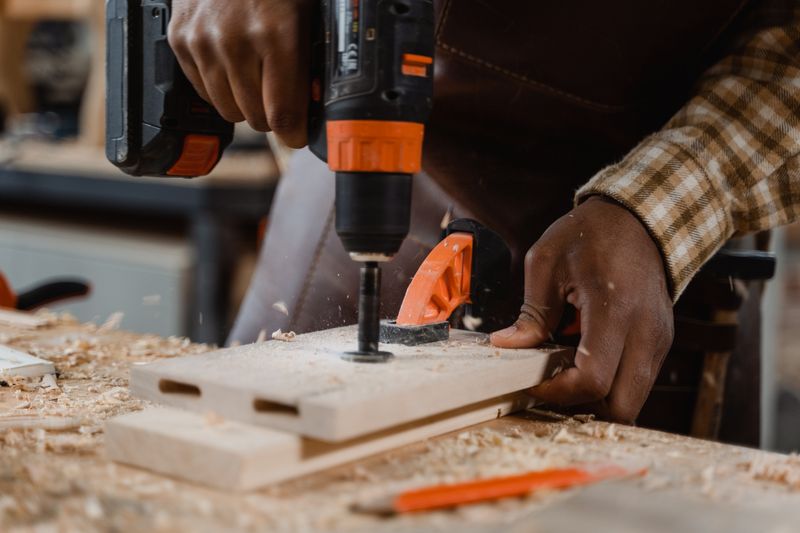
Pocket hole joinery is one of the fastest and easiest ways to join wood. A pocket hole is an angled hole drilled into one workpiece that accepts a screw driven into a mating piece. The angled hole hides the screw head inside the first piece, creating a clean connection that is surprisingly strong. While pocket holes are not suitable for every application, they are an excellent choice for many common woodworking projects.
How Pocket Holes Work
A pocket hole is drilled at a 15-degree angle using a specialized stepped drill bit. The step creates a pilot hole for the screw threads and a larger clearance hole for the screw shank. When a screw is driven through the pocket hole into the mating piece, it pulls the two boards tightly together.
The key to a strong pocket hole joint is the screw. Pocket hole screws have a pan head that seats flush in the pocket, a self-tapping tip that starts easily, and deep threads that grip the mating piece securely. Always use screws designed for pocket holes — standard wood screws do not work properly in this application.
Tools Required
The only essential tool is a pocket hole jig, which guides the stepped drill bit at the correct angle. The Kreg Pocket Hole Jig K5 is the industry standard, with a front-mounted clamp handle, swappable drill guides, and a built-in storage compartment. Other manufacturers make similar jigs at lower price points.
You also need a stepped drill bit (included with most jigs), a driver bit for the pocket hole screws, and the screws themselves. Pocket hole screws come in coarse thread (for softwoods and plywood) and fine thread (for hardwoods) in lengths from 1 inch to 2.5 inches.
When to Use Pocket Holes
Pocket holes excel at face frame assembly — connecting the horizontal rails to the vertical stiles of a cabinet face frame. They are fast, strong, and eliminate the need for complex mortise-and-tenon joinery in these non-structural applications.
Use pocket holes for attaching cabinet face frames to plywood cases. Drill pocket holes in the back of the face frame and drive screws into the plywood case sides. The screws pull the frame tight against the case, eliminating gaps.
Use pocket holes for assembling simple frames, attaching table tops to aprons, building face frames, and connecting cleats and brackets. They are ideal for any situation where you need a strong connection quickly and do not want visible fasteners on the front of the piece.
When NOT to Use Pocket Holes
Avoid pocket holes for fine furniture where traditional joinery is expected. Dovetail drawers, mortise-and-tenon frames, and hand-cut joints are hallmarks of quality craftsmanship that pocket holes cannot replicate.
Avoid pocket holes in structural applications subject to racking forces, such as chair legs, table frames, and load-bearing joints. Pocket screws can loosen over time under repeated stress.
Avoid pocket holes where wood movement is a concern. Because the screws create a rigid connection, they can cause splitting if one board shrinks while the other does not. For wide panels, use clips or brackets that allow movement.
Tips for Strong Pocket Hole Joints
Use the correct screw length. The screw should penetrate 1/2 to 2/3 of the way through the mating piece. Too short and the joint is weak; too long and the screw pokes through the back.
Apply glue to the joint faces. Pocket hole screws pull the pieces together, but glue creates the actual bond. Apply a thin film of wood glue to both mating surfaces before driving the screws.
Use the correct screw type. Coarse-thread screws for softwoods and plywood; fine-thread screws for hardwoods. Using the wrong thread type reduces holding power.
Clamp before screwing. Use a clamp to hold the pieces in alignment while driving the screws. Misaligned joints are weak and look sloppy.
Space pocket holes evenly. For a typical 3/4-inch board, space pocket holes 1-1/2 to 2 inches apart. Place the first hole 1-1/2 inches from each end.
Drill to the correct depth. Set the depth collar on the drill bit according to the material thickness. The pocket should be deep enough that the screw head seats fully but not so deep that it weakens the board.
Advanced Techniques
For plug pocket holes, glue a wooden plug into the pocket hole after driving the screw. The plug hides the screw and creates a nearly invisible repair. Kreg makes plugs in several wood species.
For hidden pocket holes, drill the holes on the inside or back of the piece where they will not be visible. This is the standard approach for cabinet face frames, where holes are drilled on the back face.
Pocket hole joinery may not have the prestige of hand-cut dovetails, but it produces strong, reliable joints in a fraction of the time. For cabinets, built-ins, shop projects, and many furniture pieces, pocket holes are the smart choice.
Planning Pocket Holes Before Assembly
Decide where every pocket hole will go while the parts are still flat on the bench. Mark the inside face, outside face, top edge, and front edge of each piece. Pocket holes are strongest and easiest to hide when they are placed on the back, underside, or inside of the assembly, but those locations must still leave room for a drill driver.
For face frames, drill holes in the rails rather than the stiles so the screws pull the shorter pieces into the longer vertical members. For cabinet boxes, keep pocket holes away from shelf pin holes, drawer slides, hinges, and visible end panels. A strong joint that interferes with hardware creates a new problem.
Troubleshooting Weak Joints
If a pocket screw spins without tightening, the pilot hole may be too deep, the screw may be too short, or the material may be too soft for the thread type. Back the screw out, clamp the joint tightly, and try a longer or coarse-thread screw if the material allows it.
If parts shift during driving, use a face clamp or right-angle clamp before adding screws. Pocket screws pull at an angle, so they can drag parts out of alignment during the last few turns. Stop as soon as the joint closes; over-driving can strip the hole or crush plywood plies.
Related Articles
When pocket holes are not the right choice, other joinery methods fill the gap. The biscuit joiner vs. Domino comparison covers alignment and structural joinery alternatives for panel glue-ups and face frame construction. For structural casework, the dado and rabbet joints guide explains the mechanical joints that provide shelf support without relying on fasteners. If you are building a project where material selection affects joinery decisions, the plywood vs. solid wood guide clarifies which material suits each application.

The Carpenter's Guide Editorial Team
Independent trade-focused editorial team