Hand Plane Types: Which Plane Should You Buy First?
Quick answer
For a first bench plane, choose a No. 5 jack plane if you need to flatten and straighten boards. Choose a low-angle block plane instead if your usual work is trimming end grain, fitting doors, or easing edges. Add a No. 4 smoother, No. 7 jointer, or specialty plane only when a recurring task justifies it.
Common questions
- What is the best first hand plane for a beginner?
- A No. 5 jack plane is the most useful first bench plane for flattening, edge work, and general stock preparation. A low-angle block plane may be the better first purchase for trim fitting and end-grain work.
- Do I need a No. 7 jointer plane?
- Usually only if you regularly flatten panels or joint longer board edges by hand. A well-tuned jack plane can handle shorter stock while you learn.
- Can a hand plane replace sanding?
- A sharp, correctly set plane can leave clean solid-wood surfaces ready for many finishes, but sanding is still useful on curves, veneers, end-grain transitions, and surfaces that are difficult to plane without tearout.
Source note: Tool dimensions, configurations, and intended uses were checked against current Stanley, Lie-Nielsen, and Veritas manufacturer pages on September 2, 2026. Product availability and specifications can change.
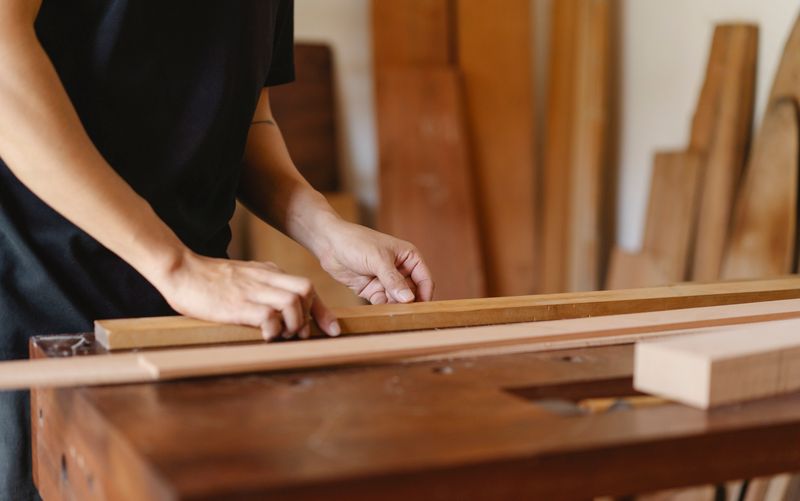
If you are buying your first hand plane, the quickest answer is: start with a No. 5 jack plane for general bench work, or a low-angle block plane for trim and end grain. Do not buy a three-plane set until you know which jobs you actually repeat.
A hand plane works best when its size, blade geometry, and setup match the cut. The chart below turns the traditional plane names into practical choices.
Hand plane selection chart
| Your main task | Plane to choose | Why it fits | Buy now or later? |
|---|---|---|---|
| Flatten rough boards and straighten moderate-length edges | No. 5 jack plane | Its roughly 14-inch sole bridges small hollows without becoming cumbersome | Best first bench plane |
| Remove final wisps from a mostly flat face | No. 4 smoother | A shorter sole follows minor surface changes and works high spots | Add after the jack |
| Joint long edges or flatten larger panels | No. 7 jointer | The long sole rides across low areas and cuts high spots | Buy when stock length demands it |
| Trim end grain, plugs, chamfers, or a sticking door | Low-angle block plane | Compact bevel-up geometry is controllable one-handed and effective on end grain | Best first plane for trim work |
| Fit tenon shoulders and cheeks | Shoulder plane | The iron reaches the full body width so it can cut into an inside corner | Project-driven purchase |
| Level dadoes, hinge gains, and recesses | Router plane | The sole registers on the surrounding surface while the cutter holds a set depth | Project-driven purchase |
| Cut a rabbet along an edge | Rabbet or plow plane | A full-width cutter, fence, and depth stop guide a repeatable edge cut | Project-driven purchase |
One-plane recommendation: buy a sound No. 5, learn to sharpen it, and use it before deciding what is missing. Lie-Nielsen’s current No. 5 description lists a 14-inch sole and positions the plane for removing milling marks and flattening before finer planes follow.
What the bench plane numbers mean
The familiar Stanley-style numbers describe traditional bench-plane sizes, not a universal performance rating. Modern makers use the same vocabulary, but exact length, weight, blade steel, and adjustment details vary.
No. 5 jack plane: the generalist
The jack plane sits between the short smoother and long jointer. Set with a modestly cambered iron and a wider mouth, it can remove high spots quickly. Set for a fine shaving with the corners of the iron relieved, it can straighten edges and prepare a surface for smoothing.
A jack plane is the sensible starting point for furniture and general woodworking because it teaches the full workflow: reading grain, locating twist, sharpening, adjusting depth, and checking flatness.
No. 4 smoother: the finish plane
A smoother should take thin, continuous shavings from a surface that is already flat. Its short sole is an advantage for touching high spots, but it is not the efficient choice for correcting a twisted rough board.
Keep the iron extremely sharp, set a light cut, and close the mouth only enough to control the shaving without clogging. On reversing or figured grain, try changing planing direction before making a deeper cut.
If these two sizes cover most of your work, use the jack plane vs. smoothing plane decision guide to compare their sole behavior, roughing and finishing setups, and a one-plane/two-iron compromise.
No. 7 jointer: the long reference
The jointer’s long sole makes it useful for long board edges, panel seams, and broad surfaces. That length also adds weight and makes the tool awkward on small parts.
You do not need a jointer simply because a traditional kit includes one. Add it when your typical boards are long enough that a jack plane no longer provides a reliable reference.
Block planes and bevel-up cutting angles
A block plane is compact and usually holds its iron bevel up. The effective cutting angle is the bed angle plus the blade bevel. For example, Veritas specifies a 12-degree bed and 25-degree blade on its current low-angle block plane, producing a 37-degree cutting angle.
That geometry makes a low-angle block plane useful for:
- Trimming end grain in controlled, light cuts
- Easing sharp edges and making small chamfers
- Fitting doors, drawers, and applied trim
- Flushing plugs or proud joinery when grain direction permits
- Shooting small parts with a suitable shooting board
Support the far edge when planing end grain or work inward from both ends. Planing straight through an unsupported corner can break it away.
When a specialty plane earns its space
Buy a specialty plane to solve a defined problem, not to complete a collection.
Shoulder plane
Use a shoulder plane for fine fitting at a tenon cheek or shoulder where the cutter must reach an inside corner. It removes very small amounts, so saw or chisel the joint close before planing. For the full joint workflow, see our mortise-and-tenon guide.
Router plane
A router plane levels the bottom of a recess while its body rides on the surrounding surface. Veritas currently describes its large router plane for stopped or through dadoes, grooves, hinge gains, inlay, and other work requiring controlled depth. It is especially useful after sawing and chiseling a recess; it is not a substitute for removing all the waste.
See dado and rabbet joints for layout and cutting options before cleanup.
Rabbet, plow, and combination planes
A rabbet plane works at an edge, while a plow plane cuts a groove parallel to an edge. Combination planes accept multiple cutters for grooves, beads, and other profiles, but their setup is slower. If a powered router already handles those repeated cuts, a combination plane may not be the next tool your shop needs.
Five checks before buying a hand plane
- Name the job. Write down the three cuts you expect to make most often. Choose for those cuts, not for the longest feature list.
- Check parts and adjustment. Confirm the iron, cap iron or lever cap, depth mechanism, and lateral adjustment are present and move correctly.
- Inspect the body. Reject cracked castings and badly damaged mouths. Surface rust is often manageable; structural damage is not.
- Budget for sharpening. A premium plane still needs a maintained edge. Include stones, abrasive film, or another repeatable sharpening system.
- Check comfort and weight. Handle shape, tote clearance, and overall mass affect control. Hold the plane or use a dealer’s demonstration tool when possible.
For a broader starter kit, compare the essential carpentry hand tools before adding another plane.
Setup checklist before the first cut
Do not automatically flatten a new sole. First test the plane on wood and check for a specific problem. Unnecessary lapping can consume time or change carefully machined geometry.
Then use this sequence:
- Secure the work so it cannot slide or tip.
- Hone the cutting edge and remove the burr.
- Seat the chip breaker and lever cap so the assembly cannot shift.
- Retract the iron, then advance it gradually while sighting along the sole.
- Use the lateral adjuster to make the cutting edge parallel to the sole.
- Take a light test shaving with the grain.
- Increase depth only enough to make the required cut.
Our chisel and plane-blade sharpening guide explains stones, honing angles, and burr removal in more detail.
Diagnose common hand plane problems
| Symptom | Likely cause | First correction |
|---|---|---|
| No shaving | Iron is retracted or the cap is not engaging the adjuster | Reseat the assembly and advance the iron slowly |
| Shaving is thicker on one side | Cutting edge is not parallel to the sole | Use the lateral adjuster and retest |
| Chatter or ridged cut | Cut is too deep, iron is dull, or assembly is loose | Retract, hone, and check seating |
| Tearout | Planing against grain, dull edge, or overly aggressive cut | Reverse direction, sharpen, and take a lighter cut |
| Mouth clogs | Mouth is too tight for the shaving or cap iron is poorly seated | Clear the plane and match the mouth to the cut |
Grain direction can change within one board. Read the surface after each pass rather than forcing the same approach across reversing grain. The wood movement guide also helps explain why stock condition should be checked before final dimensioning.
Manufacturer sources and scope
This guide is editorial guidance, not a hands-on ranking of particular products. Current dimensions and use claims were checked against:
- Lie-Nielsen No. 5 Jack Plane
- Veritas Low-Angle Block Plane
- Veritas Low-Angle Jack Plane
- Veritas Large Router Plane
Specifications and stock status can change. Verify the current manufacturer’s page before ordering an iron, replacement part, or accessory.
Choose the smallest useful kit
For general bench work, begin with a jack plane and a sharpening method. For jobsite trim, begin with a low-angle block plane. Practice taking a predictable shaving, then let repeated work tell you whether the next purchase should be a smoother, jointer, shoulder plane, or router plane.
Your next action: list the three planing jobs on your next project and choose the plane that covers at least two. A well-tuned plane used often is more valuable than a complete set gathering dust.

The Carpenter's Guide Editorial Team
Independent trade-focused editorial team